
The Empire State Strikes Back: How to File NYLTA Reports Correctly
Why Understanding How to File NYLTA Matters for Your Foreign LLC
How to file NYLTA is a critical compliance requirement for foreign LLCs authorized to do business in New York. Here's the quick answer:
NYLTA Filing Quick Guide:
Determine your status - Only foreign LLCs (formed under a foreign country's law) registered in New York must file
Choose your filing type - Submit either a Beneficial Ownership Disclosure or an Exemption Attestation
Gather required information - Full legal name, date of birth, business address, and unique ID number for each beneficial owner
File electronically - Submit through the NY Department of State online portal
Meet deadlines - December 31, 2026 for LLCs authorized before January 1, 2026; within 30 days for new registrations
File annually - Submit updated statements each year to maintain compliance
The New York LLC Transparency Act (NYLTA) took effect on January 1, 2026, with a focused mission: prevent the misuse of anonymous entities and strengthen accountability in New York's business environment. Unlike the federal Corporate Transparency Act, NYLTA applies specifically to foreign LLCs—those formed under the law of a foreign country but authorized to do business in New York.
If you're managing a foreign LLC registered in New York, this isn't optional. Penalties for non-compliance are severe: up to $500 per day in fines after extended delinquency, plus a $250 penalty to remove past due status. The state maintains a confidential database accessible only to law enforcement and government agencies, aligning with broader anti-money laundering efforts.
The good news? The filing process is straightforward once you understand your obligations. Whether you need to submit a full Beneficial Ownership Disclosure or simply attest to an exemption, knowing the exact steps saves you from costly mistakes and regulatory headaches.
Understanding the Scope: Who Must Comply with NYLTA?
Before we dive into the "how," we need to talk about the "who." The New York LLC Transparency Act (NYLTA) was originally envisioned as a broad net, but through legislative amendments and a gubernatorial veto, its scope was significantly refined.
As it stands, the law targets "authorized reporting companies." In the current New York landscape, this primarily refers to foreign LLCs—entities formed under the laws of a foreign country that have sought authorization to do business within the State of New York. The goal of NY A.8544 Legislation is to pull back the curtain on these entities to ensure they aren't being used for illicit activities like money laundering or tax evasion.
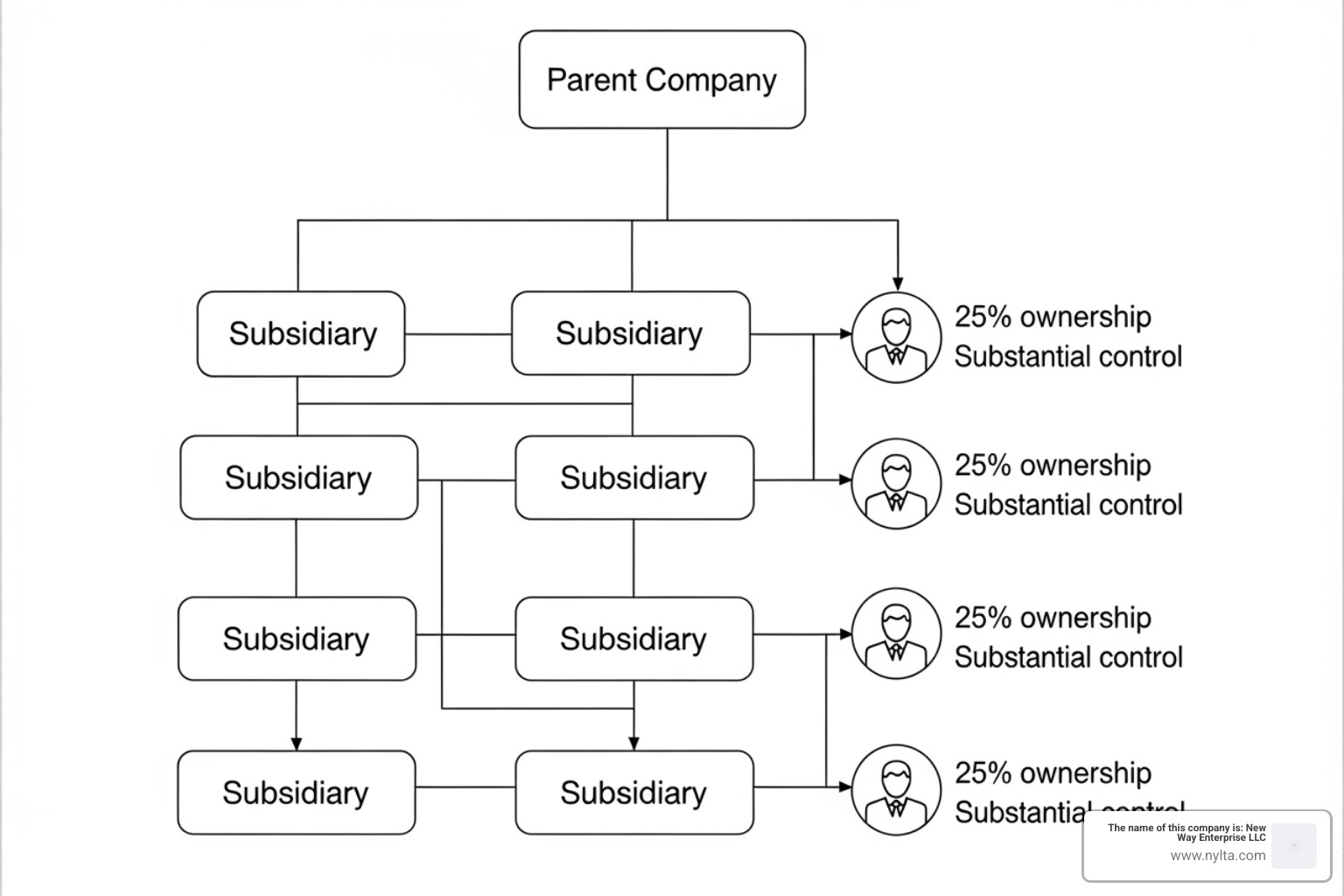
At the heart of this compliance is the identification of Beneficial Owners. Under NYLTA, a beneficial owner is defined as any individual who, directly or indirectly:
Exercises substantial control over the entity; or
Owns or controls at least 25% of the ownership interests of the entity.
Determining Your Status Before You Learn How to File NYLTA
One of the most common points of confusion is whether a domestic New York LLC needs to file. Based on the most recent guidance, domestic U.S. LLCs are currently exempt from NYLTA reporting. The law specifically focuses on foreign-formed LLCs. If your business was formed in Delaware, Florida, or even right here in New York, you may not have a filing requirement under this specific state law (though you almost certainly have one under the federal Corporate Transparency Act).
To be sure where you stand, you should check the Official NY Beneficial Owner Disclosure info. If you are a foreign LLC—meaning you were formed under the law of a foreign nation—and you are authorized to do business in New York, you are on the hook. You must choose between filing a full disclosure or an attestation of exemption.
Identifying the 23 Exemptions
Even if you are a foreign LLC, you might not have to disclose your owners' personal details if you qualify for one of the 23 exemptions. New York has cleverly aligned its exemptions with the federal standards. These exemptions generally apply to entities that are already heavily regulated by the government.
Commonly exempt entities include:
Investment advisors and venture capital fund advisers.
Large operating companies (generally those with more than 20 full-time employees in the U.S. and over $5 million in gross receipts).
Public utilities and certain tax-exempt entities.
You can find the full list of 23 exemptions from the Corporate Transparency Act to see if you qualify. However, here is the New York twist: unlike the federal law, where exempt companies often just... don't file, New York requires you to file an Exemption Attestation. You must officially tell the state, "We are exempt, and here is why."
Step-by-Step Guide: How to File NYLTA Reports and Attestations
Now that you know you need to file, let's look at the mechanics of how to file NYLTA reports. The New York Department of State (NY DOS) has moved toward a digital-first approach. All filings must be submitted electronically through their dedicated portal.
When you log in, you will face a binary choice: are you filing a disclosure or an attestation?
Feature Beneficial Ownership Disclosure Exemption Attestation Who Files? Non-exempt foreign LLCs Exempt foreign LLCs Information Required Full details of all beneficial owners Specific exemption code and legal basis Frequency Initial filing + Annual update Initial filing + Annual update Privacy Stored in secure, non-public database Stored in secure, non-public database
Gathering Required Information for Your How to File NYLTA Submission
Don't wait until you're in the middle of the online form to start looking for documents. You'll need specific, verifiable information for every beneficial owner and, in some cases, the "applicant" (the person who filed the original registration paperwork).
For each individual, you must provide:
Full legal name (no nicknames!)
Date of birth
Current business address
Unique identifying number from an acceptable document.
What counts as an acceptable document? Usually, a non-expired passport, a driver's license, or another government-issued ID. You will need to enter the number and the jurisdiction that issued it.
Unlike the federal CTA, which allows for a "FinCEN ID," New York currently requires the full disclosure of these details directly in their system.
Deadlines and Compliance Timelines for New York LLCs
Timing is everything in the Empire State. If you miss these windows, the "Empire" might just strike your bank account with fines.
Existing Foreign LLCs: If your foreign LLC was authorized to do business in New York before January 1, 2026, you have until December 31, 2026, to file your initial report or attestation.
New Foreign LLCs: If you register your foreign LLC on or after January 1, 2026, you must file within 30 days of that registration.
Annual Requirements: This isn't a "one and done" situation. You must file an annual statement to confirm that your information is still accurate or to provide updates.
Correction Period: If you realize you made a mistake, you have a 90-day safe harbor window to correct false or inaccurate information without facing penalties.
Penalties for Non-Compliance and Late Filings
New York isn't playing around when it comes to transparency. If you fail to file, your LLC's status will eventually be marked as "past due" after 30 days of missing a deadline. If you still haven't filed after two years, the status moves to "delinquent."
The financial sting is real:
Daily Fines: Extended non-compliance can lead to fines of up to $500 per day.
Suspension: Your authority to do business in New York can be suspended.
The "Bribe" to Get Back in Good Standing: To remove a past due or delinquent mark, you’ll likely need to file the missing reports and pay a $250 civil penalty to the NY Department of State Online Filings department.
The state has the power to dissolve or annul the authority of entities that refuse to comply. It's much cheaper (and less stressful) to just file the paperwork on time.
NYLTA vs. CTA: Key Differences Every Filer Should Know
You might be thinking, "Wait, didn't I already do this for the federal government?" Yes, you probably filed for the federal Corporate Transparency Act (CTA) with FinCEN. However, New York decided they wanted their own records. While they are similar, there are key differences that catch people off guard.
The Attestation Requirement: Under the federal CTA, if you are exempt, you generally don't have to file anything to prove it. Under NYLTA, you must file an Exemption Attestation.
Filing Frequency: The federal CTA requires updates only when information changes (within 30 days). NYLTA requires an annual filing, regardless of whether the information has changed.
Scope: The CTA covers almost all small corporations and LLCs (domestic and foreign). As of now, NYLTA is laser-focused on foreign LLCs.
No FinCEN ID: You can't just plug in a FinCEN ID and call it a day in New York. You have to provide the actual personal details of the owners.
Both databases are confidential. Your nosy neighbor can't look up who owns your LLC. The information is only accessible to law enforcement, certain government agencies, and, in some cases, by court order.
Frequently Asked Questions about NYLTA Filings
Is the reported beneficial ownership information public?
No. New York has made it clear that this information is stored in a confidential database. It is not part of the public searchable record on the Department of State website. While New York has a Freedom of Information Law (FOIL), there are specific FOIL exceptions designed to protect private, sensitive information that would constitute an unwarranted invasion of personal privacy. The data is intended for use by law enforcement to combat financial crimes, not for public consumption.
Who is authorized to file the report on behalf of the LLC?
The report doesn't have to be filed by the owner personally. It can be submitted by:
An employee of the LLC.
A member or manager (owner).
A third-party service provider (like an attorney or a compliance platform).
Whoever files must provide their own contact information and certify that the information provided is true, correct, and complete. Filing false information intentionally can lead to separate legal trouble, so accuracy is paramount.
What happens if my LLC's ownership information changes?
If your LLC adds a new member who owns 25% or more, or if a manager with substantial control leaves, you need to update that information. Unlike the federal 30-day rule for changes, New York handles most of these updates through the annual statement. However, if you find that a previous filing contained an error, you should use the 90-day safe harbor to correct it immediately. Keeping your internal records updated is the best way to ensure your annual NYLTA filing is a breeze.
Conclusion
Navigating the waters of New York business compliance can feel like a battle, but it's one you can win with the right information. Understanding how to file NYLTA reports is simply part of the cost of doing business in one of the world's most vibrant economies. By identifying your status, gathering your documents early, and hitting those 2026 deadlines, you keep your business in good standing and avoid the "Empire's" hefty fines.
At New Way Enterprise LLC, we know that keeping up with shifting state and federal regulations is a full-time job. That's why we recommend using dedicated resources like NYLTA.com for automated status assessments and secure filings. Whether you are a small foreign entity or a large organization, staying compliant ensures your focus remains on growth, not paperwork. Don't wait for a delinquency notice—get your NYLTA strategy in place today.